
HOME
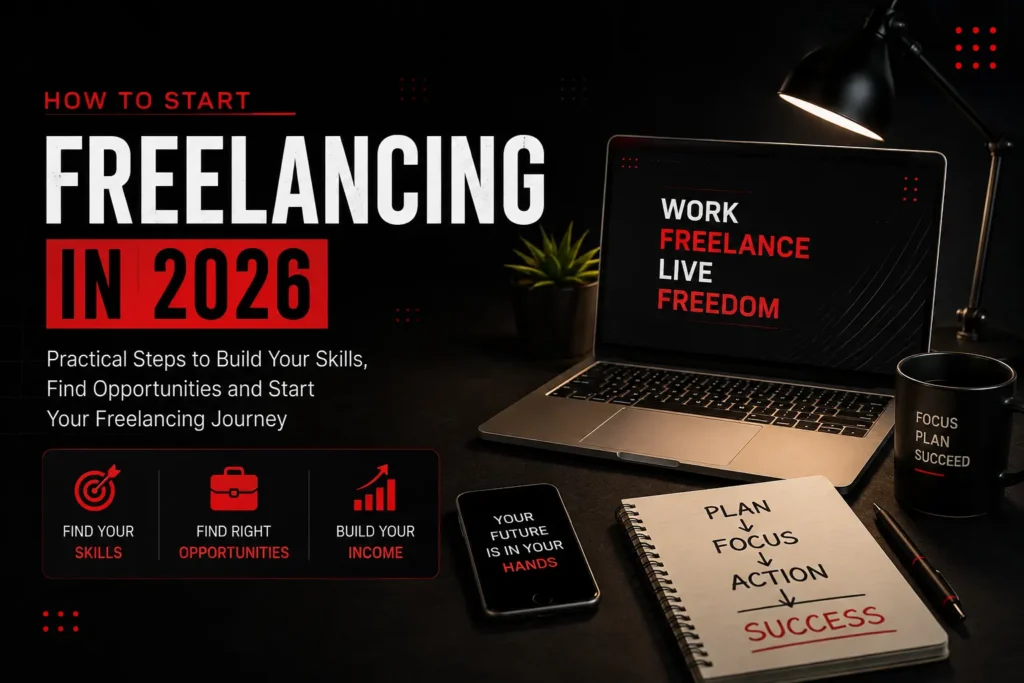
HOW TO START FREELANCING IN 2026 - EVERYTHING YOU NEED TO KNOW ABOUT CLIENTS,PRICING AND GROWING YOUR INCOME
Introduction
How to Start Freelancing in 2026 is a question many people ask when they want to turn their skills into a professional career. Freelancing has become a popular way to earn income independently, offering opportunities to work with clients from different locations without depending entirely on traditional office jobs.
However, starting a freelancing career is not as simple as creating an account on a freelancing platform. You need to identify the right skills, understand your target clients, set reasonable prices, and build trust through quality work.
Whether you are interested in digital marketing, graphic design, content writing, web development, or video editing, freelancing offers opportunities to develop your skills and grow professionally.
In this guide, you’ll learn how to find your first clients, set competitive prices, choose the right freelancing platforms, and gradually build a sustainable freelance career in 2026.
Table of Contents
Choose the Right Freelancing Skill
Build Your Skills and Gain Experience
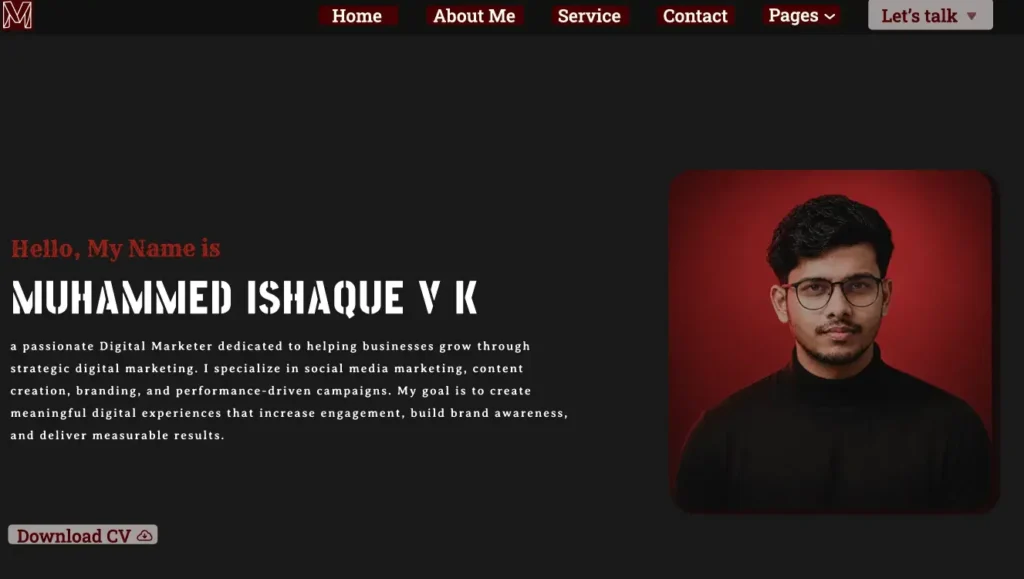
Create a Professional Portfolio
Choose the Right Freelancing Platforms
How to Find Your First Freelance Clients
How to Set Your Freelance Pricing
Build Strong Client Relationships
Common Freelancing Mistakes to Avoid
How to Grow Your Freelance Income in 2026
Frequently Asked Questions (FAQ)
Final Thoughts
Choose the Right Freelancing Skill
Choosing the right skill is the first important step when learning how to start freelancing in 2026. Before looking for clients or creating profiles on freelancing platforms, identify what you are good at and what services you can offer.
Start by exploring your interests, strengths, and existing knowledge. If you enjoy creativity, you might consider graphic design, video editing, or content creation. If you are interested in business growth and online marketing, digital marketing, SEO, and social media management could be suitable options.
You should also research market demand before choosing a skill. Look at freelance platforms, job listings, and business websites to understand what services companies are looking for.
Here are some popular freelancing skills to explore in 2026:
Digital Marketing: Help businesses improve their online presence through SEO, social media marketing, and paid advertising.
Graphic Design: Create logos, social media posts, banners, and other visual content.
Content Writing: Write website content, blogs, articles, and marketing materials.
Video Editing: Edit promotional videos, social media reels, and YouTube content.
Web Development: Build and maintain professional business websites.
Remember, you don’t need to learn everything at once. Choose one primary skill, develop your knowledge, and focus on becoming confident in delivering that service to clients.
Build Your Skills and Gain Experience
Choosing a freelancing skill is only the beginning. The next step is to develop your knowledge and gain practical experience. Clients are more interested in what you can actually deliver than simply knowing the name of a skill. If you want to understand how to start freelancing in 2026, focus on learning through practical projects rather than depending only on theoretical knowledge.
Here are a few ways to improve your skills:
Take Online Courses: Learn from platforms such as Coursera, HubSpot Academy, Google Skillshop, and YouTube.
Work on Practice Projects: Create sample designs, write blog articles, build websites, or manage mock advertising campaigns.
Learn Industry Tools: Get familiar with tools such as Canva, WordPress, Google Analytics, Google Ads, and Meta Ads Manager, depending on your chosen service.
Follow Industry Trends: Keep learning about new technologies, tools, and changes in your industry.
Ask for Feedback: Share your work with experienced professionals and improve based on their suggestions.
You don’t need years of experience to begin freelancing. Start with small projects, practise consistently, and build confidence through real work. Your practical experience will gradually help you deliver better results and earn clients’ trust.

Create a Professional Portfolio
A professional portfolio is one of the most important tools for attracting freelance clients. It gives potential clients an opportunity to understand your skills, see examples of your work, and evaluate what you can offer. When learning how to start freelancing in 2026, don’t wait until you get your first paid project to build a portfolio. You can start by creating sample projects that demonstrate your abilities.
Here are some important elements to include in your portfolio:
Introduction: Briefly explain who you are, what you do, and the services you offer.
Work Samples: Display your best projects, including personal projects and practice work.
Services: Clearly mention the services you provide and the problems you can solve for clients.
Skills and Tools: Highlight your professional skills and the tools you use.
Contact Information: Make it easy for potential clients to contact you through email, LinkedIn, or your website.
You can create a portfolio using platforms such as WordPress, Behance, or a personal website. Choose a platform that presents your work professionally and makes it easy for visitors to explore your projects.
A strong portfolio isn’t defined by the number of projects you showcase. What truly matters is presenting a few meaningful projects that demonstrate your skills, creativity, experience, and ability to deliver results. It is about presenting relevant, high-quality work that demonstrates what you can deliver.
Choose the Right Freelancing Platforms
Once you have developed your skills and created a professional portfolio, the next step is finding places where potential clients are looking for freelancers.
Freelancing platforms make it easier to connect with businesses and individuals who need specific services. They allow you to showcase your skills, create service listings, submit project proposals, and communicate with clients.
Here are some popular freelancing platforms to explore in 2026:
Upwork: A platform where freelancers can find projects in digital marketing, web development, writing, design, and many other categories.
Fiverr: Allows freelancers to create service listings, known as gigs, so clients can discover and purchase their services.
Freelancer.com: Connects freelancers with clients through project listings and competitive bidding.
PeoplePerHour: Offers opportunities to find freelance projects across creative, technical, and business-related services.
Contra: Helps independent professionals showcase their portfolios, discover opportunities, and manage freelance work.
Before choosing a platform, understand its payment policies, service fees, competition, and project requirements.
You don’t need to register on every freelancing website. Start with one or two platforms that match your skills, create a complete profile, upload relevant work samples, and write clear service descriptions.
Remember, freelancing platforms are only one way to find clients. LinkedIn, personal websites, social media, and professional networking can also help you build valuable client relationships.
How to Find Your First Freelance Clients
Finding your first client can be one of the biggest challenges when starting a freelancing career. Having strong skills and a professional portfolio is not enough. You also need to promote your services, reach the right audience, and clearly communicate how your expertise can help businesses grow and achieve their goals.
If you want to start freelancing in 2026, focus on building connections, promoting your work, and reaching out to potential clients instead of waiting for opportunities to come to you.
Here are some practical and effective strategies to help you find your first freelance clients and build long-term professional relationships.
Use LinkedIn to Build Professional Connections
Create a professional LinkedIn profile, share your work, connect with business owners, and participate in relevant industry discussions. Regularly showcasing your skills can help potential clients discover your services.
Explore Freelancing Platforms
Search for projects that match your skills on platforms such as Upwork, Fiverr, and Freelancer.com. Submit personalised proposals explaining how your services can solve the client’s problems.
Promote Your Services Through Social Media
Use platforms such as Instagram and Facebook to showcase your projects, share useful tips, and promote your services. Consistent and valuable content can help you build visibility and attract potential clients.
Build a Personal Website
Create a professional website that presents your portfolio, services, achievements, and contact information in one place. A website helps potential clients understand your expertise and builds trust in your personal brand.
Try Direct Client Outreach
Identify businesses that may benefit from your services and contact them with personalised messages. Instead of simply promoting what you offer, explain how you can solve their problems and support their business goals.
Ask for Referrals
Let friends, professional contacts, and previous clients know about your services. Recommendations and word-of-mouth referrals can help you reach new clients and discover valuable opportunities.
Build Relationships Instead of Just Looking for Projects
When contacting potential clients, avoid sending generic messages to everyone. Take time to understand their business needs and explain how your services can provide value.
Your first client may take time to find, so stay consistent, keep improving your approach, and focus on building genuine professional relationships. A strong client relationship can eventually lead to repeat projects and future referrals.
How to Set Your Freelance Pricing
Setting the right price for your services is an important part of building a successful freelancing career. As a beginner, you may find it difficult to decide how much to charge clients. Your pricing should reflect your skills, experience, project requirements, and the value you provide.
Here are some important points to consider when setting your freelance prices:
Research Market Rates: Explore freelancing platforms and compare the prices charged by other professionals offering similar services.
Choose a Pricing Model: Decide whether to charge hourly, per project, or through a monthly retainer, depending on your service.
Consider Your Skills and Experience: Set reasonable starting prices based on your current abilities and gradually increase them as you gain experience.
Understand Project Requirements: Discuss the client’s expectations, deadlines, workload, and deliverables before preparing a quotation.
Calculate Your Time and Expenses: Consider the time, tools, resources, and effort required to complete each project.
Communicate Pricing Clearly: Explain what your service includes, what the client will receive, and whether additional work involves extra charges.
Price Your Services with Confidence
Remember, freelancing isn’t about competing to offer the cheapest services. It’s about demonstrating the value of your skills, delivering quality work, building trust with clients, and showing why your services are worth the investment. Focus on delivering quality work, building trust, and providing genuine value. As your experience grows, you can increase your rates and develop a sustainable freelance income.
Build Strong Client Relationships
Building strong client relationships is an important part of growing a successful freelancing career. Finding a client is only the beginning; maintaining trust and delivering a positive working experience can help you secure repeat projects and long-term opportunities.
When starting freelancing in 2026, focus not only on completing projects but also on understanding client expectations and communicating professionally.
Here are some practical ways to build strong client relationships:
Communicate Clearly: Keep clients updated about project progress, deadlines, and any challenges.
Understand Client Expectations: Discuss project requirements, goals, and deliverables before starting the work.
Meet Deadlines: Complete projects within the agreed timeframe and inform clients early if delays occur.
Deliver Quality Work: Focus on accuracy, creativity, and attention to detail in every project.
Be Open to Feedback: Listen to client suggestions and make reasonable improvements when necessary.
Maintain Professionalism: Be respectful, reliable, and organised throughout the working relationship.
Provide Ongoing Support: Stay available for reasonable follow-ups and future project requirements.
Turn First-Time Clients into Long-Term Relationships
A successful freelance career is not built only by finding new clients. Satisfied clients may return with more projects, recommend your services to others, and help you build a strong professional reputation. Focus on trust, consistency, and quality in every interaction.

Common Freelancing Mistakes to Avoid
Starting a freelance career can be exciting, but beginners often make mistakes that slow down their progress. When learning how to start freelancing in 2026, understanding these common challenges can help you make better decisions, manage clients effectively, and build a sustainable career.
Here are some common freelancing mistakes to avoid:
Working Without a Clear Plan: Starting without choosing a specific skill, target audience, or service can make it difficult to find the right clients.
Charging Too Little: Offering extremely low prices to attract clients can undervalue your skills and make it difficult to maintain a sustainable income.
Ignoring Your Portfolio: Not showcasing your previous work or sample projects can make potential clients hesitant to trust your abilities.
Accepting Every Project: Taking on projects outside your expertise or managing too much work at once can affect quality and deadlines.
Poor Communication: Failing to understand client expectations or provide project updates can lead to misunderstandings.
Missing Deadlines: Delivering work late without proper communication can damage your professional reputation.
Ignoring Continuous Learning: Depending on outdated skills and tools can make it harder to stay competitive in the freelance market.
Not Promoting Your Services: Waiting for clients to discover you without networking, sharing your work, or reaching out can limit your opportunities.
Learn from Mistakes and Improve
Making mistakes is a natural part of starting any career. Instead of becoming discouraged, learn from each experience and improve your working methods. Stay organised, communicate clearly, deliver quality work, and keep developing your skills to build a successful freelancing career in 2026.
How to Grow Your Freelance Income in 2026
Growing your freelance income takes time, consistency, and a clear strategy. After understanding how to start freelancing in 2026, your next goal should be to improve your services, attract better clients, and create more opportunities to earn.
Here are some practical ways to grow your freelance income:
Improve Your Skills: Continue learning new techniques, tools, and industry trends to provide better services and stay competitive.
Increase Your Service Rates: As you gain experience, complete successful projects, and build a strong portfolio, gradually increase your pricing.
Focus on a Specific Niche: Specialising in a particular service or industry can help you attract clients who need your expertise.
Build Long-Term Client Relationships: Provide quality work and reliable support to encourage repeat projects and referrals.
Expand Your Services: Introduce related services that complement your main skill and create additional income opportunities.
Build Your Personal Brand: Use LinkedIn, social media, and your website to showcase your expertise and build professional credibility.
Use AI and Productivity Tools: Explore relevant tools to improve your workflow, save time, and manage projects more efficiently.
Create Monthly Service Packages: Offer ongoing services through monthly packages or retainers to develop more predictable income.
Focus on Consistency and Long-Term Growth
Growing your freelance income is not about finding quick ways to make money. It is about building valuable skills, delivering quality work, maintaining client relationships, and improving your services over time. With patience and consistent effort, you can create more opportunities and develop a sustainable freelancing career.
Frequently Asked Questions About Freelancing in 2026
1. How can beginners start freelancing in 2026?
Beginners can start freelancing by choosing a skill, learning through practical projects, creating a professional portfolio, and finding clients through freelancing platforms or social media.
2. How much should a beginner freelancer charge?
Beginners should consider their skill level, project complexity, time required, and market rates before setting prices. Start with reasonable rates and increase them as you gain experience.
3. Is freelancing a good career choice in 2026?
Yes. Freelancing can offer flexibility, independence, and opportunities to work with different clients. However, building a stable income requires consistent effort, quality work, and good client relationships.
4.Do I need a website to start freelancing?
A website is not compulsory, but having one can help you showcase your portfolio, explain your services, build credibility, and make it easier for potential clients to contact you.
5. Can I start freelancing without previous work experience?
Yes. You can create sample projects, practise your skills, and build a portfolio before working with your first client. Focus on demonstrating what you can deliver.
Final Thoughts
Starting a freelance career in 2026 can open new opportunities for people who want to turn their skills into income and work independently. However, success doesn’t happen overnight. It requires continuous learning, practical experience, patience, and the ability to build strong relationships with clients.
Understanding how to start freelancing in 2026 is only the first step. Choosing the right skill, creating a professional portfolio, finding clients, setting fair prices, and delivering quality work will help you build a strong foundation.
Don’t wait until everything is perfect to begin. Start with the skills you already have, work on small projects, learn from your experiences, and improve with every opportunity.
Whether you choose digital marketing, web design, content creation, or another professional service, consistency and dedication can help you move towards your freelancing goals.
Remember, every successful freelancer starts somewhere. Your first project could be the beginning of something bigger.
Author Name: Muhammed Ishaque
Author Bio:
Muhammed Ishaque is a digital marketer from Kannur, Kerala, passionate about SEO, performance marketing, website development, and helping businesses build a strong online presence.
Website: https://ishaaqvk.com/
"Get Your Free Marketing Growth Consultation"
CONTACT
REACH OUT
Let’s talk! Whether you’re just starting out online or want to fix what’s not working, I’m here to help. As the best digital marketing strategist in Kannur, I focus on what actually works for your business. Shoot me a message and we’ll figure out the best path forward.”