
Keyword Research for Beginners: 5 Easy SEO Tips to Win

Introduction
Keyword research for beginners is an important part of Search Engine Optimization (SEO). It helps you discover the words and phrases people use when searching for information, products, or services on Google. By choosing the right keywords, you can create useful content that matches your audience’s search needs and improves your website’s search visibility.
You might create valuable content, but without understanding your audience’s search behaviour, it can be difficult to attract the right visitors. This is where keyword research becomes useful.
It helps you discover relevant search terms, understand people’s interests, and create content that matches their needs. Whether you are running a personal blog, managing a business website, or learning digital marketing, understanding keyword research can help you make better SEO decisions.
In this guide, you will learn how to find keyword ideas, choose the right keywords, understand search intent, and use them effectively to improve your website’s search visibility.
Table of content
What Is Keyword Research?
Why Is Keyword Research Important for SEO?
How to Find Keyword Ideas?
How to Choose the Right Keywords
Understand Search Intent
Short-Tail and Long-Tail Keywords
Local Keyword Research
Avoid Keyword Stuffing
Keep Your Keyword Research Updated
Final Thoughts
Frequently Asked Questions
Author
What Is Keyword Research?
Keyword research for beginners is the process of finding and analysing the words and phrases people type into search engines like Google when looking for information, products, or services.
It helps you discover what your target audience is looking for and which topics interest them. By analysing the keywords they use in search engines, you can create relevant content that addresses their questions, solves their problems, and meets their expectations.
For example, someone who wants to learn about SEO might search for:
- What is SEO?
- How does SEO work?
- SEO tips for beginners
- Best SEO tools
- How to do keyword research
These search queries provide useful ideas about the topics people want to explore.
Instead of choosing blog topics based only on assumptions, keyword research helps you make informed decisions using search data. It helps you develop meaningful content that matches your audience’s interests, addresses their needs, and builds a stronger connection with them.
Remember: Keyword research is not just about finding popular search terms. It is about understanding what people need and creating useful content that provides the right answers.
Why Is Keyword Research Important for SEO?
Keyword research plays an important role in SEO because it helps you understand what people are searching for online. Without proper keyword research, you may create content that doesn’t match your audience’s interests or search needs.
Here are some reasons why keyword research is important:
1. Understand Your Audience
Keyword research helps you discover the questions, problems, and interests of your target audience. This allows you to create content that is relevant to their needs.
2. Improve Search Engine Visibility
Choosing relevant keywords gives search engines a better understanding of your content. It can help your website appear in search results when people look for related information.
3. Find Content Ideas
Keyword research gives you ideas for blog posts, website pages, and other content. You can discover topics that people are already interested in instead of guessing what to publish.
4. Reach the Right Audience
Using keywords that match your content and audience’s search intent can attract visitors who are genuinely interested in your products, services, or information.
5. Understand Your Competition
Analysing the keywords used by competing websites helps you discover content opportunities. You can identify topics they cover and find areas where you can provide more useful information.
Remember: Good keyword research is not simply about getting more visitors. It is about attracting the right visitors by creating useful content that matches what they are searching for.
How to Find Keyword Ideas?
Finding the right keyword ideas is one of the first steps in keyword research for beginners. You don’t need expensive tools to get started. You can discover useful keywords through Google searches, competitor websites, and free keyword research tools.
Here are three simple ways to find keyword ideas.
1. Start with Google Search
Google is a great place to discover what people are searching for. Start by typing a topic related to your website or blog into the Google search bar.
For example, type SEO for beginners. Google may show autocomplete suggestions such as:
- SEO tips for beginners
- How to learn SEO
- SEO basics for beginners
- Best SEO practices
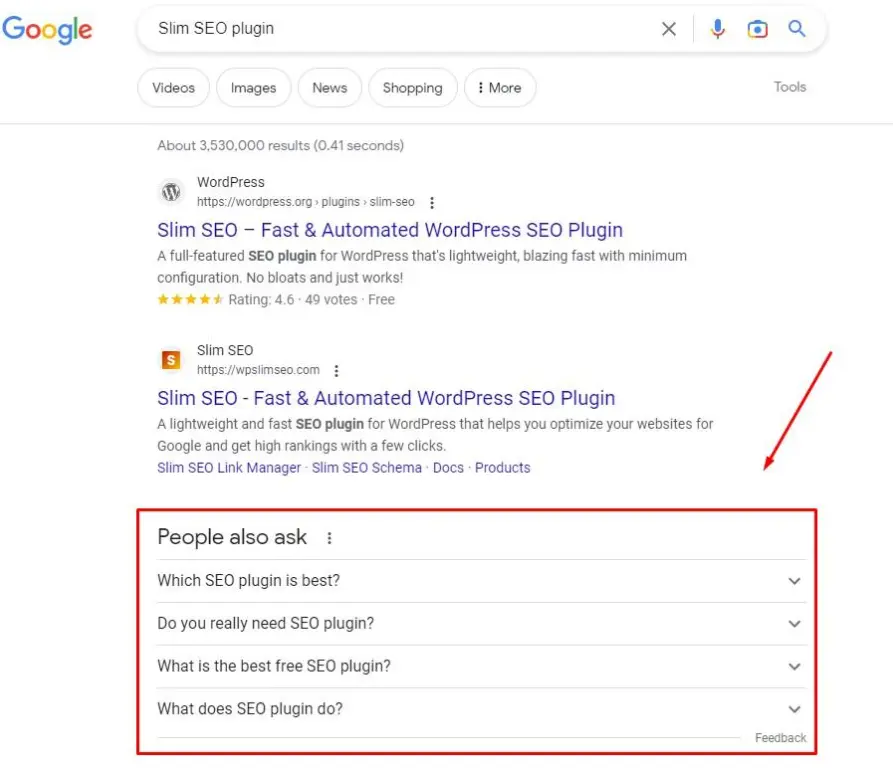
You can also check the People Also Ask section and Related Searches at the bottom of the search results page. These can give you more ideas based on real search queries.
2. Research Your Competitors
Visit websites and blogs that cover topics similar to yours. Observe the keywords they use in their page titles, headings, and content.
Pay attention to:
- Topics they regularly publish.
- Questions they answer in their articles.
- Keywords used in their website pages.
- Content gaps where you can provide better information.
This can help you discover new keyword opportunities and plan more useful content.
3. Use Keyword Research Tools
Keyword research tools help you discover search terms and understand their performance. They can provide useful information such as search volume, keyword difficulty, and related keyword suggestions.
Some popular tools include:
- Google Keyword Planner: Discover keyword ideas and estimated search volumes.
- Ubersuggest: Explore keyword suggestions, SEO difficulty, and competitor data.
- Google Trends: Compare search interest and identify trending topics.
- Semrush: Research keywords, competitors, and SEO opportunities.
You don’t need to use every tool at once. Start with Google and one keyword research tool, then explore others as you gain experience.
Remember: Don’t collect keywords randomly. Focus on finding search terms that are relevant to your website, audience, and content goals.

How to Choose the Right Keywords
After finding keyword ideas, the next step in keyword research for beginners is choosing the right keywords for your website or blog. Not every keyword is suitable for your content. You need to consider a few important factors before selecting one.
1. Search Volume
Search volume refers to the average number of times people search for a particular keyword within a month. For instance, a keyword that receives 5,000 searches per month generally has higher search demand than a keyword that receives only 100 monthly searches. However, higher search volume doesn’t always mean better results. Choose keywords that are relevant to your content and audience.
2. Keyword Difficulty
Keyword difficulty estimates how challenging it may be to rank for a keyword in search engine results. For beginners, targeting less competitive keywords can be a practical starting point. Long-tail keywords can provide more targeted opportunities because they focus on specific search queries and often reflect a clearer user intention.
3. Relevance
Always choose keywords that closely match your website topic, products, or services. For example, if you write about SEO, keywords such as “SEO tips for beginners” or “how to improve website rankings” are more relevant than unrelated popular search terms.
4. Search Intent
Understand what users expect when they search for a keyword. Some people want information, while others are looking for products, services, or specific websites. Choosing keywords that match their expectations helps you create more useful content.
Remember: The right keyword isn’t necessarily the one with the highest search volume. In keyword research for beginners, focus on relevance, competition, search intent, and the needs of your target audience.
Understand Search Intent
After finding keyword ideas, the next step in keyword research for beginners is choosing the right keywords for your website or blog. Not every keyword is suitable for your content. You need to consider a few important factors before selecting one.
1. Search Volume
Search volume refers to the average number of times people search for a particular keyword within a month. For instance, a keyword that receives 5,000 searches per month generally has higher search demand than a keyword that receives only 100 monthly searches. However, higher search volume doesn’t always mean better results. Choose keywords that are relevant to your content and audience.
2. Keyword Difficulty
Keyword difficulty estimates how challenging it may be to rank for a keyword in search engine results. For beginners, targeting less competitive keywords can be a practical starting point. Long-tail keywords can provide more targeted opportunities because they focus on specific search queries and often reflect a clearer user intention.
3. Relevance
Always choose keywords that closely match your website topic, products, or services. For example, if you write about SEO, keywords such as “SEO tips for beginners” or “how to improve website rankings” are more relevant than unrelated popular search terms.
4. Search Intent
Understand what users expect when they search for a keyword. Some people want information, while others are looking for products, services, or specific websites. Choosing keywords that match their expectations helps you create more useful content.
Remember: The right keyword isn’t necessarily the one with the highest search volume. In keyword research for beginners, focus on relevance, competition, search intent, and the needs of your target audience.
Short-Tail and Long-Tail Keywords
When learning keyword research for beginners, it is important to understand the difference between short-tail and long-tail keywords. Both are useful for SEO, but they have different purposes.
1. Short-Tail Keywords
Short-tail keywords are broad search terms that usually contain one or two words. They often have higher search volumes because they cover general topics.
Examples:
- Digital Marketing
- SEO
- Keyword Research
- Website Design
These keywords can attract a large audience, but they are often highly competitive and may not clearly show what the user is looking for.
2. Long-Tail Keywords
Long-tail keywords are more specific search phrases, usually containing three or more words. They often have lower search volumes but can attract visitors with clearer search intentions.
Examples:
- Digital marketing courses for beginners
- How to do keyword research for SEO
- Best SEO tools for small businesses
- Freelance web designer in Kannur
These keywords help you target a more specific audience and create content that answers particular questions or needs.
Short-Tail vs Long-Tail Keywords
| Short-Tail Keywords | Long-Tail Keywords |
|---|---|
| Broad search terms | Specific search phrases |
| Usually higher search volume | Usually lower search volume |
| Often more competitive | Often less competitive |
| General search intent | More specific search intent |
Which One Should Beginners Choose?
For beginners, long-tail keywords can be a good starting point because they help target specific topics and audiences. Instead of competing for broad keywords, you can focus on relevant search phrases that match your content.
Remember: Both short-tail and long-tail keywords are valuable for SEO. The best choice depends on your website, target audience, and content goals.
Local Keyword Research
Local keyword research is the process of finding search terms that people use when looking for products or services in a specific location. It is especially useful for small businesses, local service providers, and freelancers who want to reach customers in their nearby areas.
For example, if you offer digital marketing services in Kannur, targeting location-based keywords can help you reach people searching for those services.
Examples of Local Keywords
-
Digital marketing agency in Kannur
-
Best digital marketer in Kannur
-
Freelance web designer in Kannur
-
SEO services in Kannur
-
Website development in Kerala
How to Find Local Keywords?
1. Add Location Names
Include relevant city, town, or district names in your keyword ideas. For example, combine your service with locations such as Kannur, Chalad, or Kerala.
2. Use Google Search Suggestions
Search for your service along with a location on Google. Check autocomplete suggestions and related searches to discover what people may be looking for.3. Research Local Competitors
Visit websites of businesses offering similar services in your area. Observe the location-based keywords they use in their page titles, headings, and content.4. Use Google Keyword Planner
Enter your service-related keywords and explore location-based keyword ideas. You can also adjust the location targeting to focus on a specific area.Why Is Local Keyword Research Important?
Local keyword research helps businesses connect with people who are searching for nearby products and services. It also helps you create location-specific website pages and improve your chances of appearing in relevant local search results.
Remember: Choose locations that are genuinely relevant to your business. Don’t add city or district names randomly just to attract traffic.
Avoid Keyword Stuffing
Keyword stuffing is the practice of adding the same keyword repeatedly throughout a webpage or blog post to manipulate search engine rankings. Although using relevant keywords is important for SEO, repeating them too often can make your content difficult to read and create a poor user experience.
For example, imagine writing a sentence like this:
Keyword stuffing example:
“Keyword research for beginners helps beginners learn keyword research for beginners and understand keyword research for beginners easily.” This sounds unnatural because the same keyword is repeated unnecessarily.
Better example:
“Learning how to find the right keywords helps beginners create useful content and understand what their target audience is searching for.”
How to Avoid Keyword Stuffing?
Use your primary keyword naturally in the title and introduction.
Include related keywords and relevant search terms where appropriate.
Write for your audience instead of focusing only on search engines.
Avoid repeating the same keyword in every paragraph.
Use synonyms and variations when they fit naturally.
Remember: Good SEO content should be helpful, clear, and easy to read. Focus on providing value to your audience rather than repeating keywords to improve rankings
Keep Your Keyword Research Updated
Keyword research is not a one-time task. Search trends, user interests, and online competition can change over time. A keyword that performs well today may become less popular in the future.
As part of keyword research for beginners, it is important to review your keywords regularly and update your content based on changing search trends.
How to Keep Your Keyword Research Updated?
1. Monitor Your Website Performance
Use Google Search Console to check which keywords bring visitors to your website. Analyse clicks, impressions, and average search positions to understand how your content performs.
2. Follow Search Trends
Google Trends helps you identify changes in search interest and discover topics that are becoming popular.
3. Update Old Content
Review your existing blog posts and website pages. Add relevant information, update outdated details, and improve content where necessary.
4. Discover New Keyword Opportunities
Continue exploring Google search suggestions and keyword research tools to find new search terms related to your website.
5. Analyse Your Competitors
Keep an eye on competing websites to understand the topics they are covering and identify new content opportunities.
Final Thoughts
Keyword research plays a major role in SEO and helps you understand what people are searching for online.It helps you understand what people are searching for, discover useful content ideas, and reach the right audience through search engines.
For beginners, the process may seem confusing at first. However, by understanding search volume, keyword difficulty, relevance, and search intent, you can gradually learn how to choose the right keywords for your website.
You don’t need expensive tools or advanced SEO knowledge to get started. Begin with Google search suggestions, explore free keyword research tools, and analyse the keywords used by your competitors.
Most importantly, focus on creating helpful content that answers your audience’s questions instead of simply targeting popular search terms.
Start with the right keywords, create valuable content, and keep improving your SEO strategy.
Frequently Asked Questions
1. What is keyword research in SEO?
Keyword research is the process of finding and analysing the search terms people use on search engines like Google. It helps you create content that matches your audience’s interests and search needs.
2. How do beginners find the right keywords?
Keyword research for beginners starts with understanding your audience, exploring Google search suggestions, analysing competitors, and using keyword research tools to discover relevant search terms.
3. Is Google Keyword Planner free to use?
Yes, Google Keyword Planner is a free tool available through Google Ads. It helps users discover keyword ideas and view estimated search volume and competition data.
4. What makes a keyword good for SEO?
A good SEO keyword is relevant to your content, matches the user’s search intent, and has a realistic level of competition for your website.
5. How many keywords should I use in a blog post?
There is no fixed number of keywords you must use in a blog post. Focus on one primary keyword and naturally include relevant secondary keywords and related search terms wherever they fit.
6. How often should I do keyword research?
Keyword research should be reviewed regularly. Check your website performance, monitor search trends, and update your keyword strategy whenever you discover new opportunities.
Author
Muhammed Ishaque is a digital marketer from Kannur, Kerala, with an interest in SEO, content marketing, social media marketing, and website development.
Through his website,, Ishaque VK he shares practical insights, digital marketing knowledge, and useful resources to help beginners understand the digital world and grow their online presence.
"Get Your Free Marketing Growth Consultation"
CONTACT
REACH OUT
Let’s talk! Whether you’re just starting out online or want to fix what’s not working, I’m here to help. As the best digital marketing strategist in Kannur, I focus on what actually works for your business. Shoot me a message and we’ll figure out the best path forward.”